
Seismic Resilience in Dharamsala: Tibetan Civil Society Empowerment Program
Led by founding principal Tenzin Nyandak and supported by the Tibet Fund’s 2025 Tibetan Civil Society Empowerment Program, the project Designing the Non-Engineered: Seismic Resilience in Dharamsala, India addresses the urgent risks posed by non-engineered construction in the earthquake-prone city of Dharamsala. Over the past year, Studio Nyandak adapted the U.S. Federal Emergency Management Agency’s (FEMA) Rapid Visual Screening (RVS) methodology to account for Dharamsala’s distinct building typologies, topography, and use patterns. In parallel, the team designed and constructed a small-scale shake table capable of simulating seismic activity, with the goal of developing low-cost retrofitting solutions for existing buildings in the region.
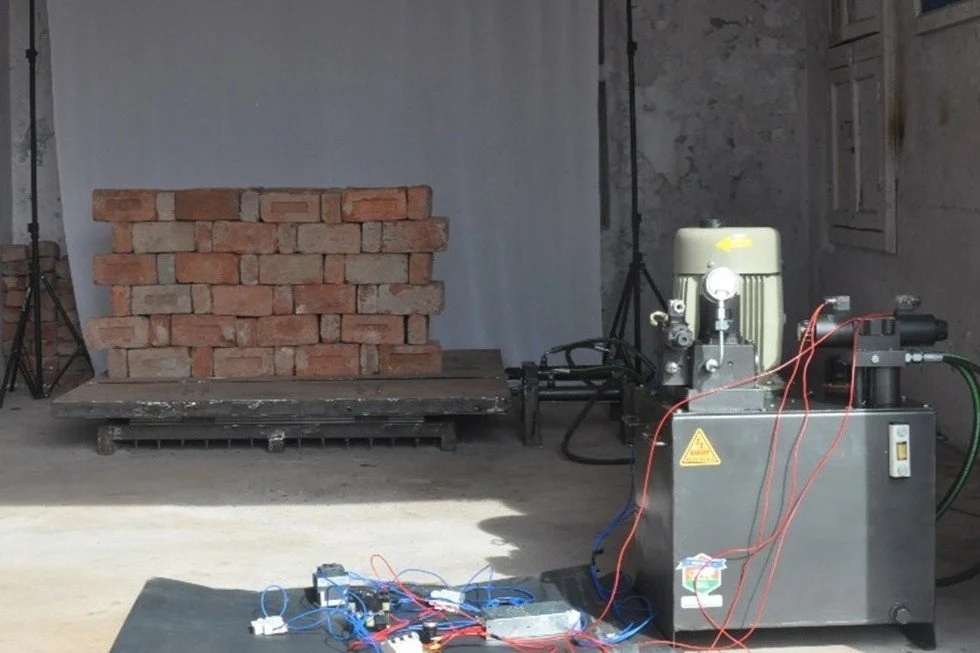
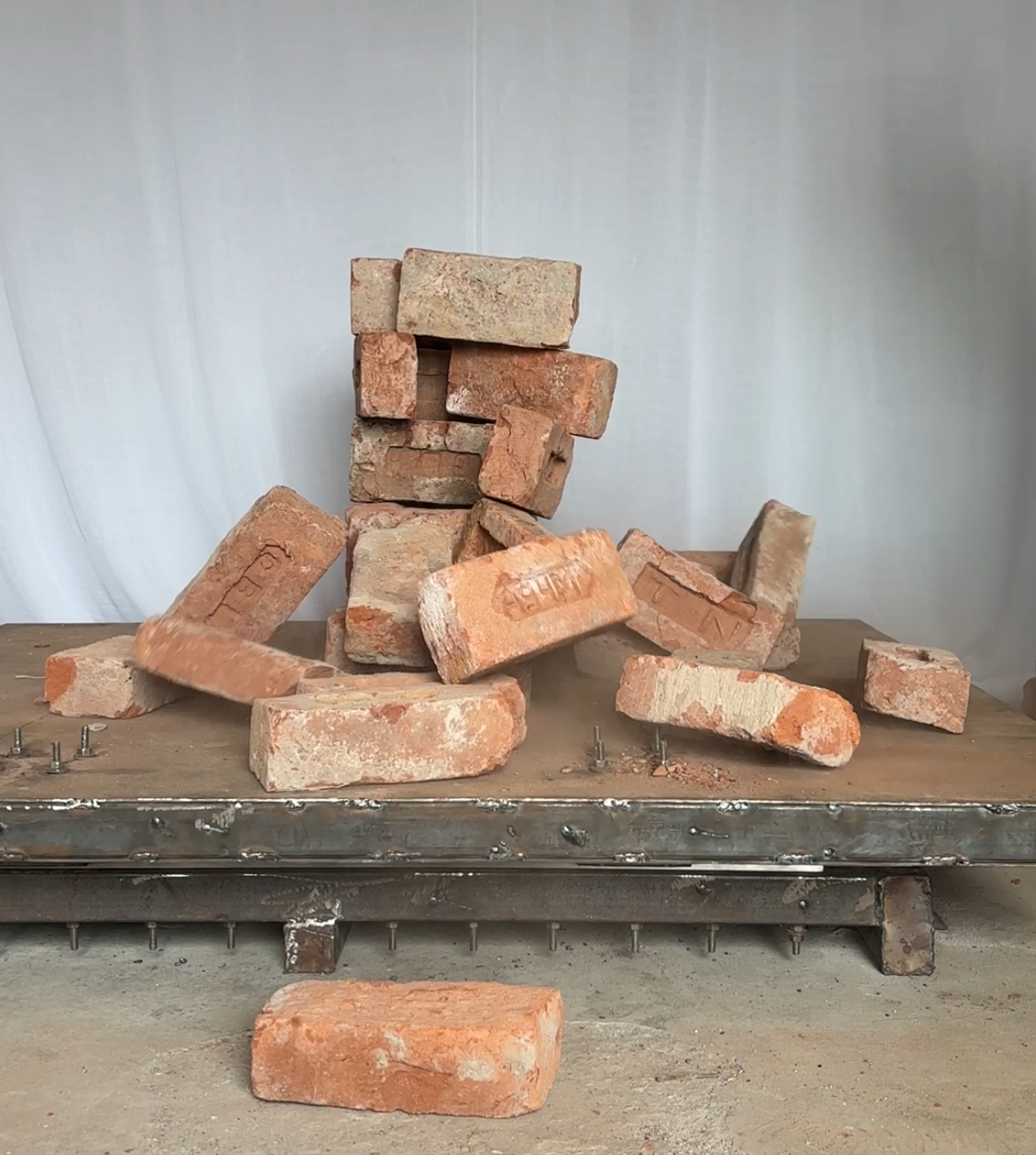
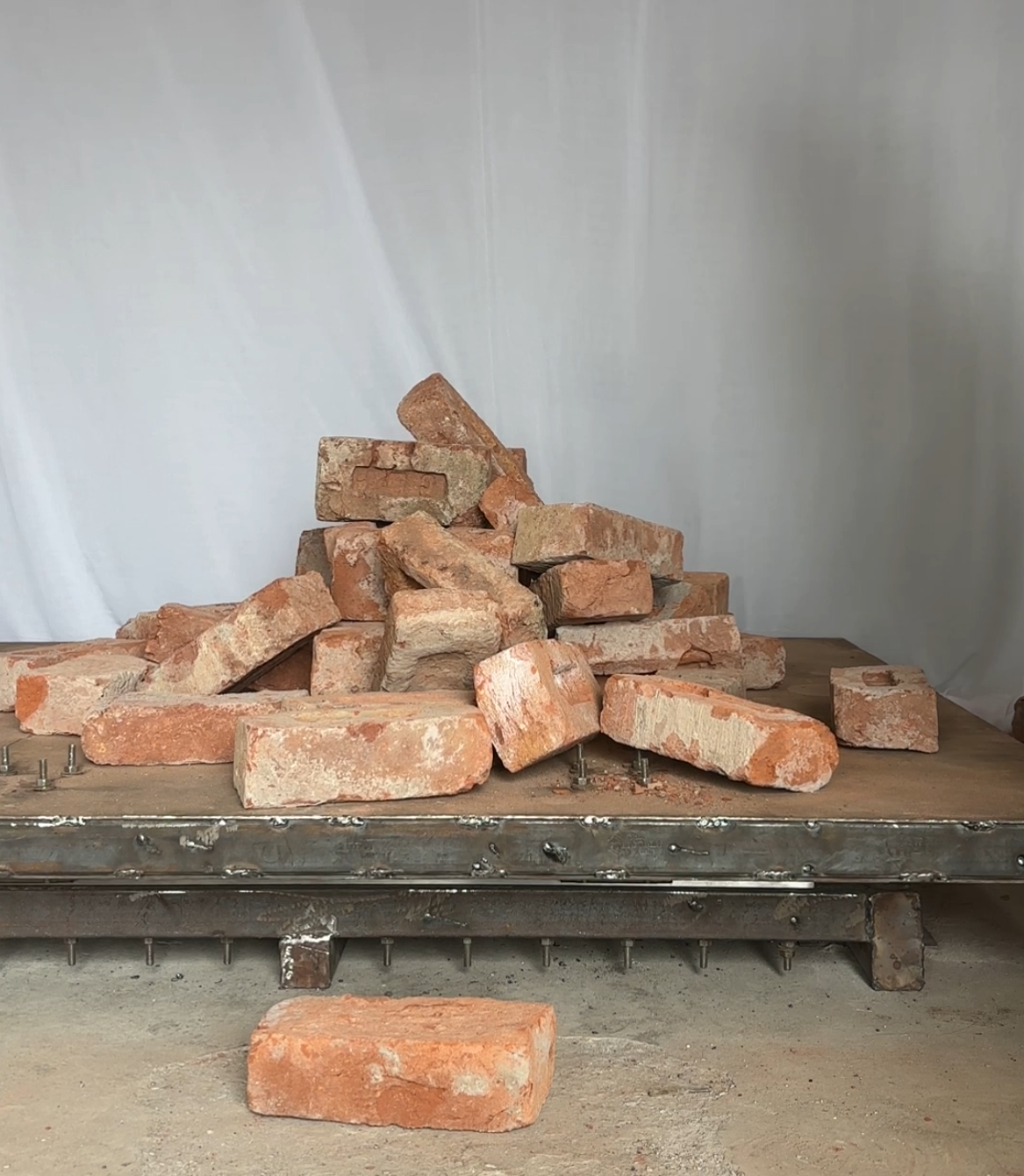
Shake table designed and built by Studio Nyandak’s Dharamsala office, and funded by Tibet Fund’s 2025 Tibetan Civil Society Empowerment Program
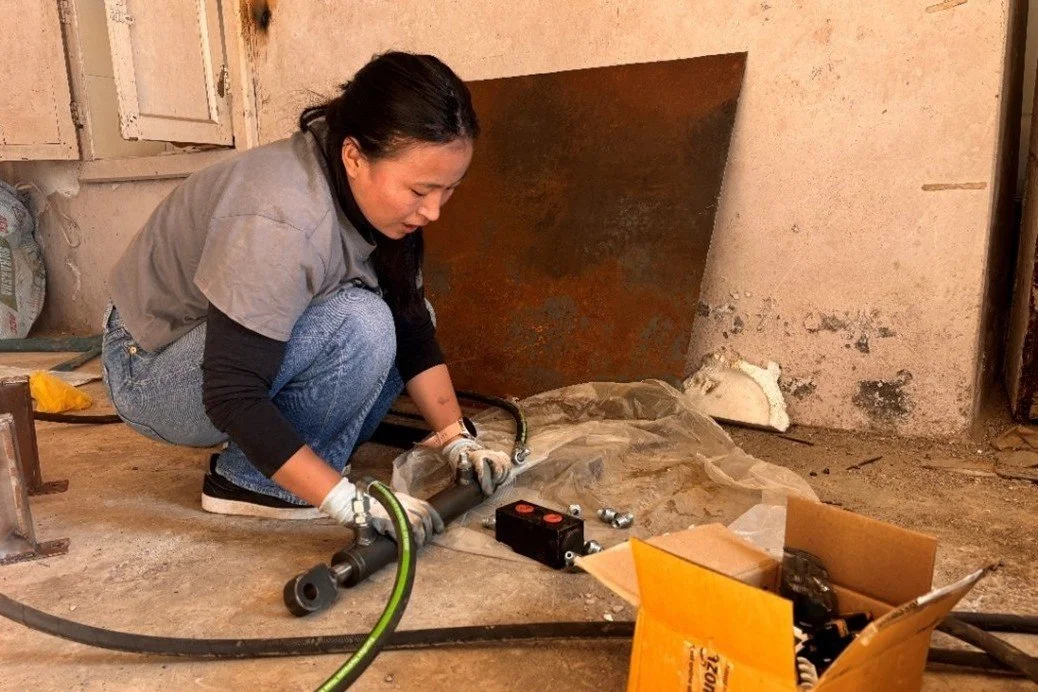
Studio Nyandak architect Tsering Yangchen assembles shake table using Studio Nyandak’s structural designs
The key objective of the initial risk assessment phase was to develop an accurate, regionally specific methodology suitable for implementation by local stakeholders that provides a strong foundation for informed retrofitting strategies. To meet these goals, the team designed a two-part framework that (1) evaluates structural vulnerability through an accessible rapid visual assessment and (2) quantitatively measures the degree and type of community usage for each building. This method was successfully implemented at three buildings at Delek Hospital and at the Upper Tibetan Children’s Village (Upper TCV), where a campus-wide risk map was developed for 25 of the most frequently used buildings.
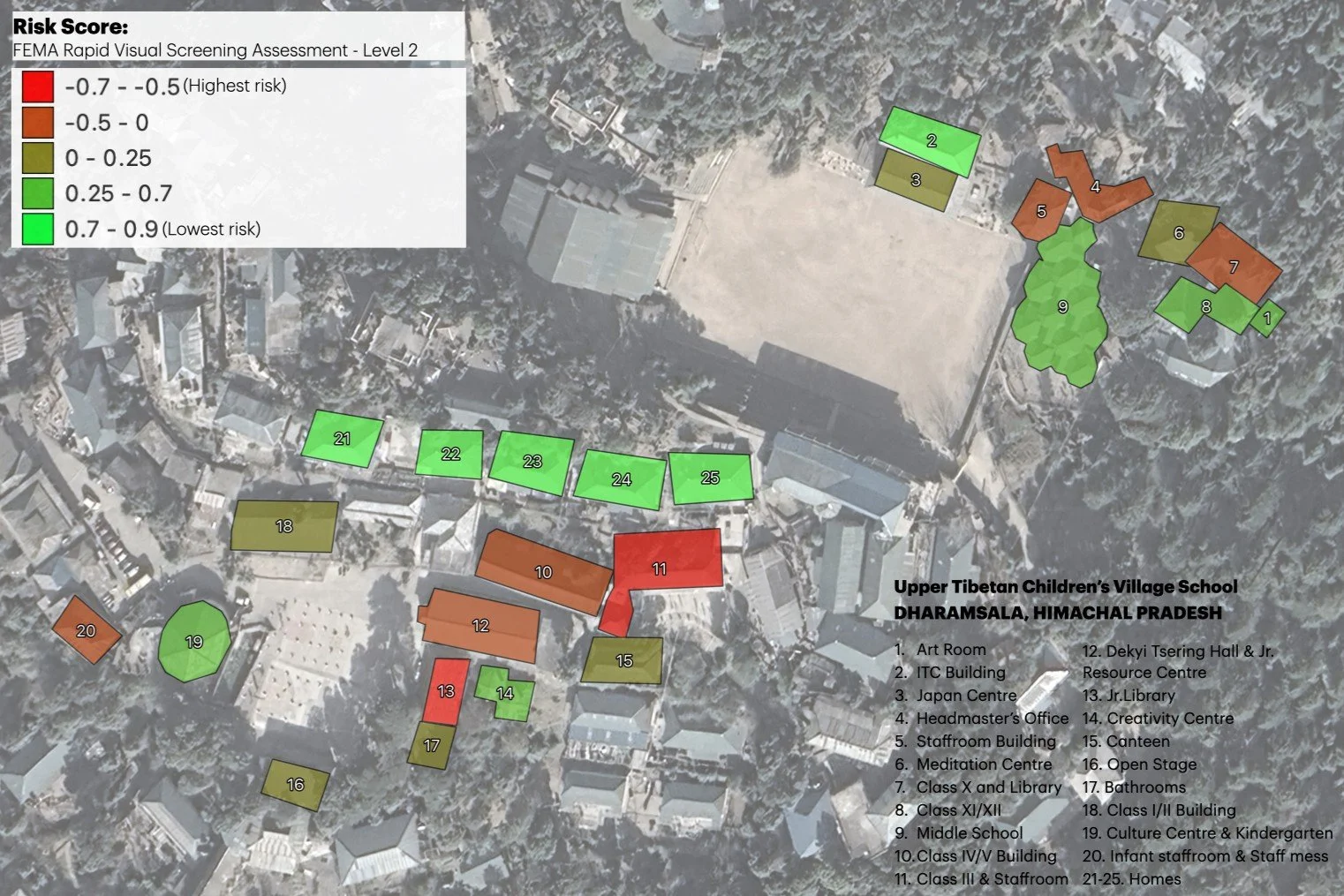
Mapped risk results from Studio Nyandak’s application of FEMA’s Level 2 rapid visual screening method at Upper Tibetan Children’s Village in Dharamsala, India
The final phase of the project—the construction of a small-scale shake table—was guided by the same intention of enabling local-level implementation at key community institutions. After the risk assessment phase concluded in June 2025, Studio Nyandak’s Founding Principal, Tenzin Nyandak, traveled to Dharamsala alongside international expert engineers. They worked with Studio Nyandak’s Dharamsala team to develop early designs for the shake table.
During their visit, the consultants also presented their expertise in engineering for high-risk seismic zones at a conference co-hosted by Studio Nyandak and the Library of Tibetan Works and Archives (LTWA).
While the scope of this grant is now complete, Studio Nyandak will continue this work and engage the broader Dharamsala community in efforts to design, engineer, and construct safer infrastructure. The concluding sections outline planned next steps beyond this grant cycle. Studio Nyandak is deeply grateful to Tibet Fund for making this work possible.

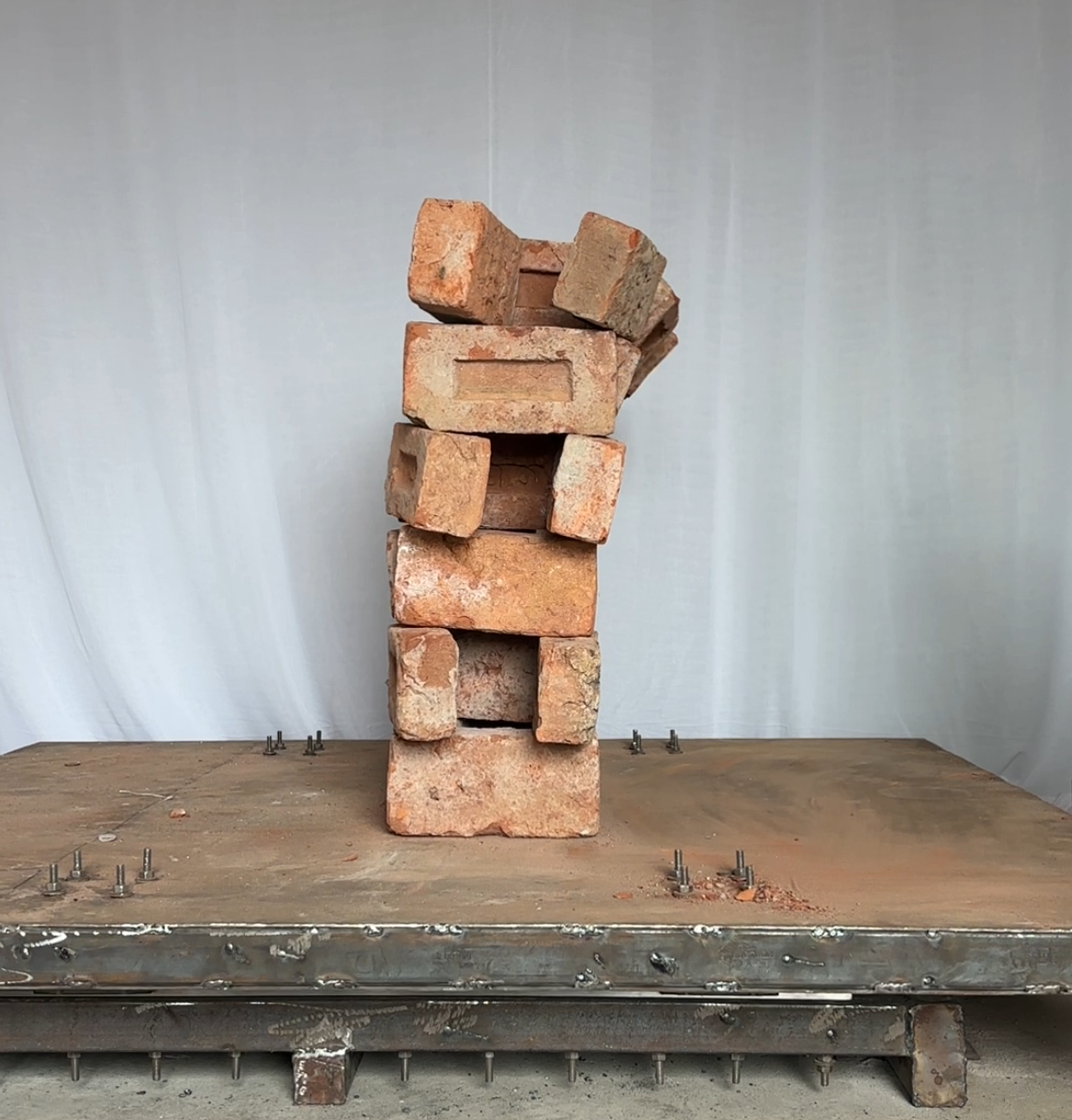

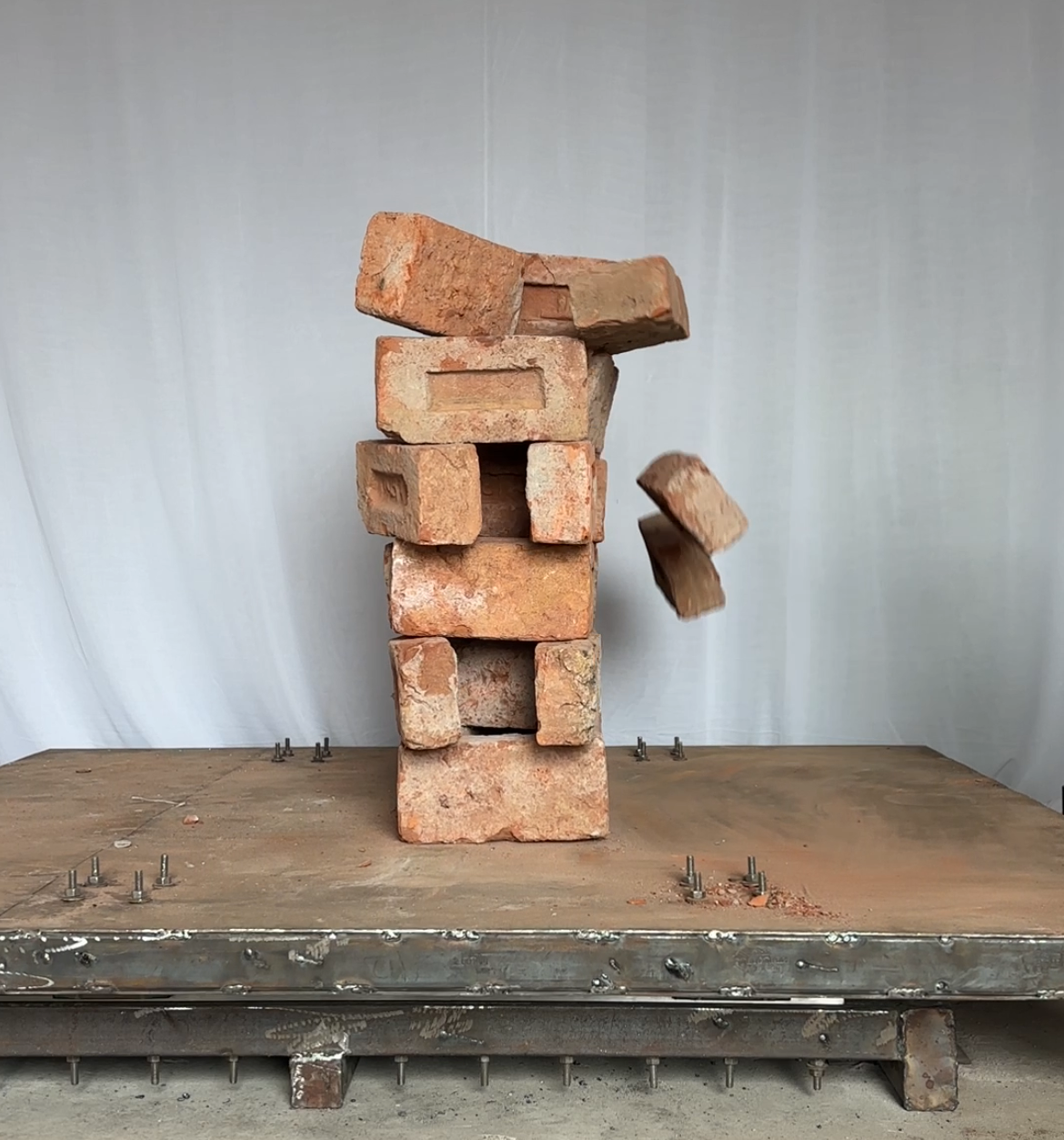
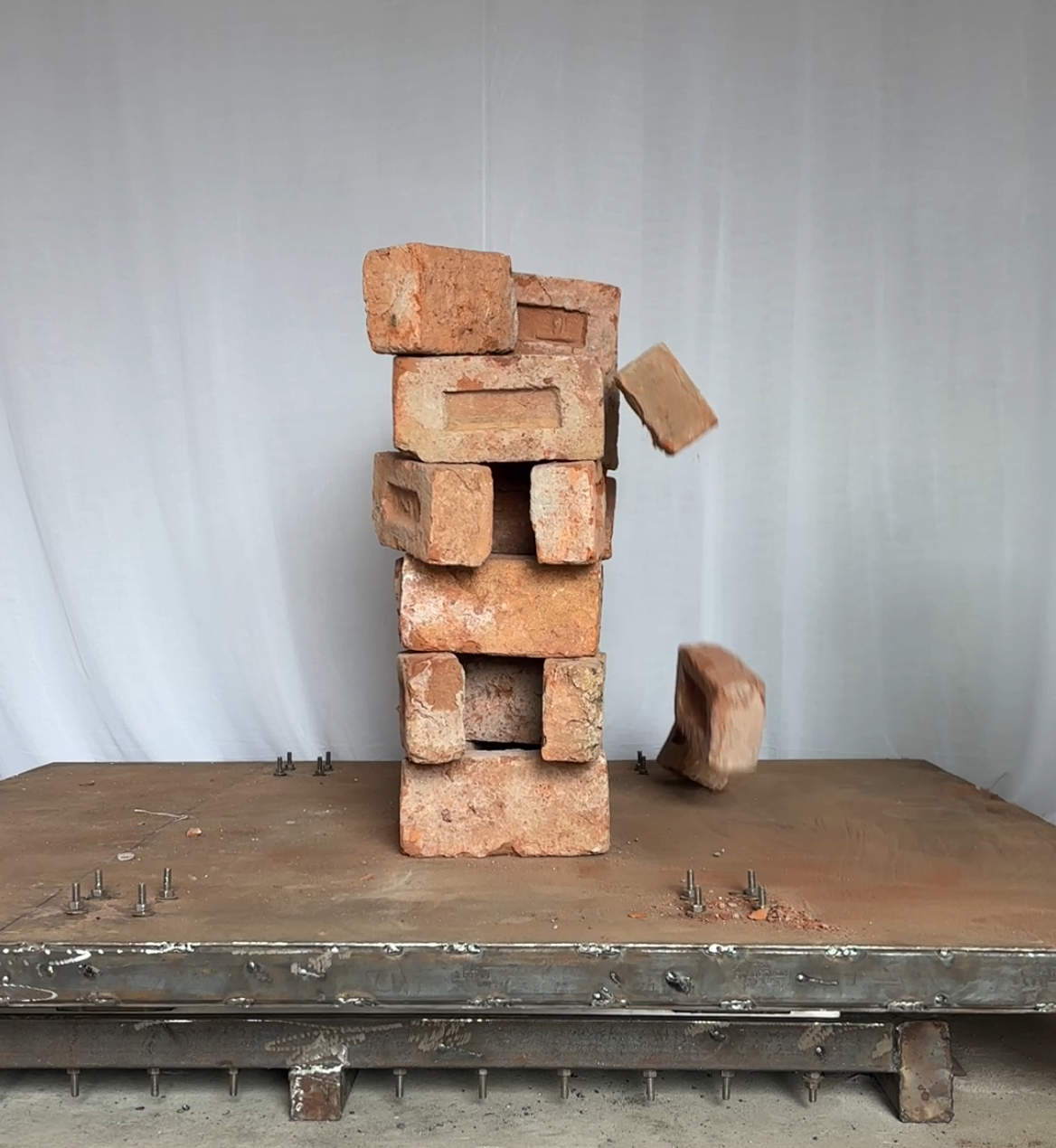
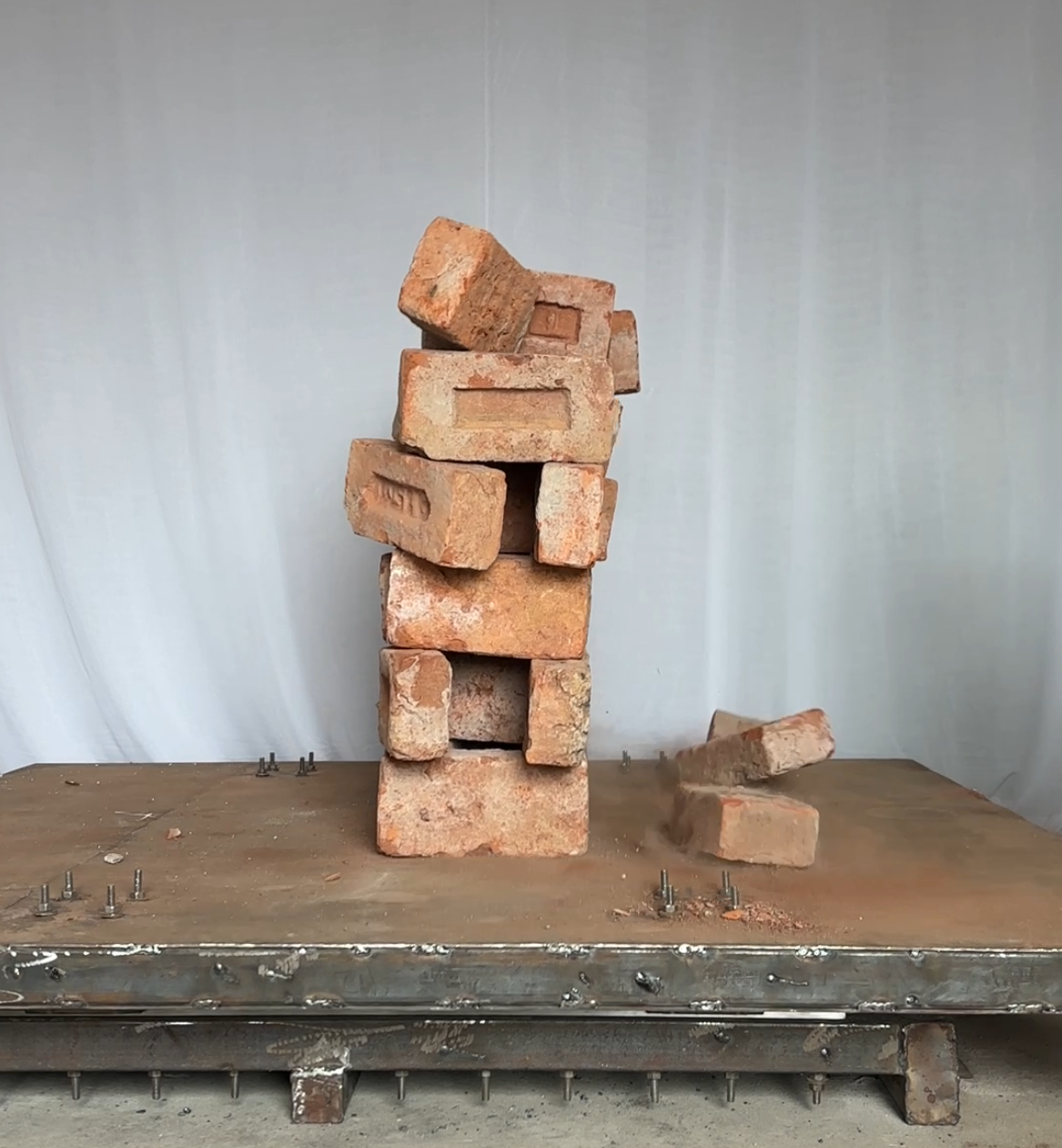
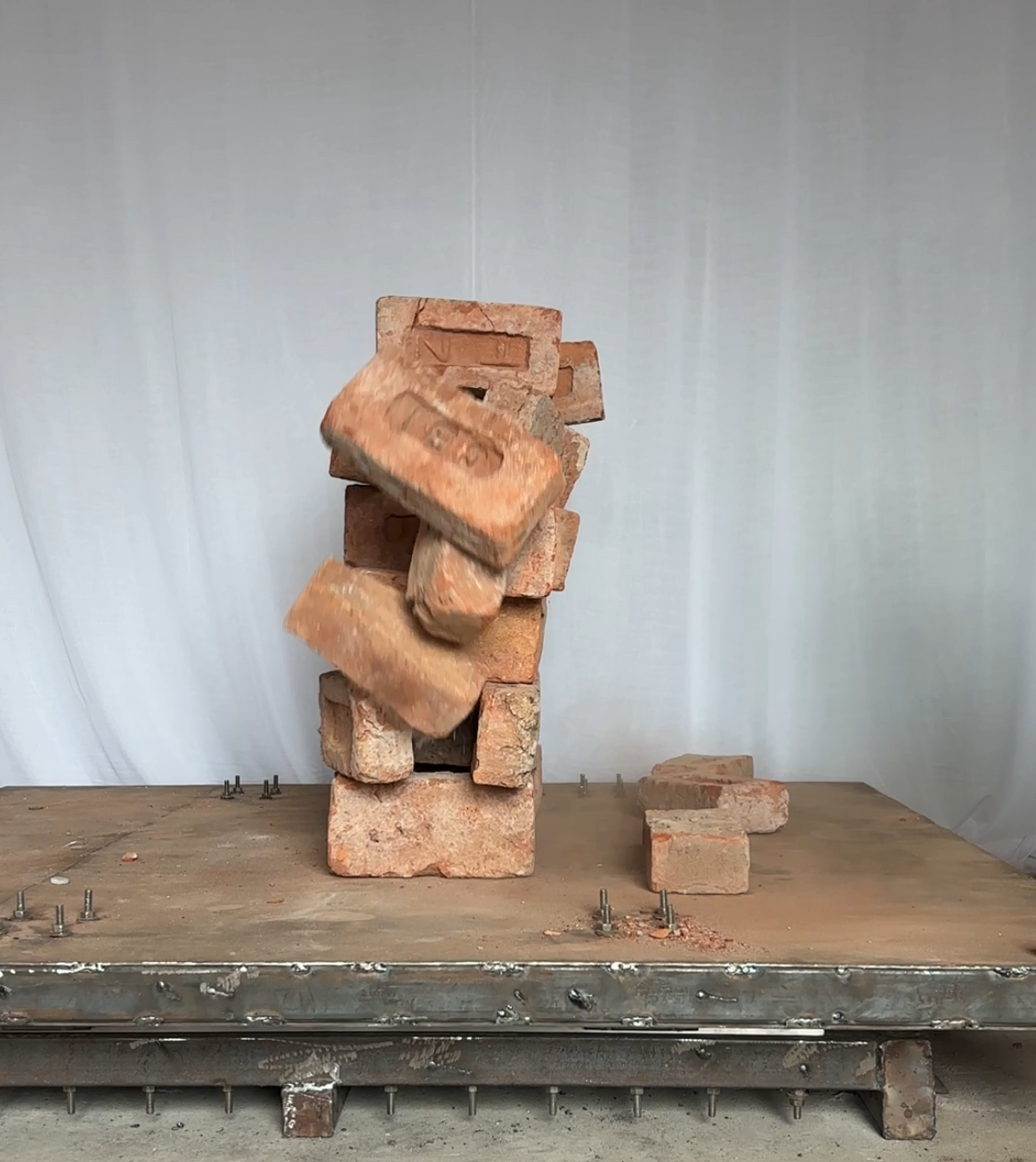
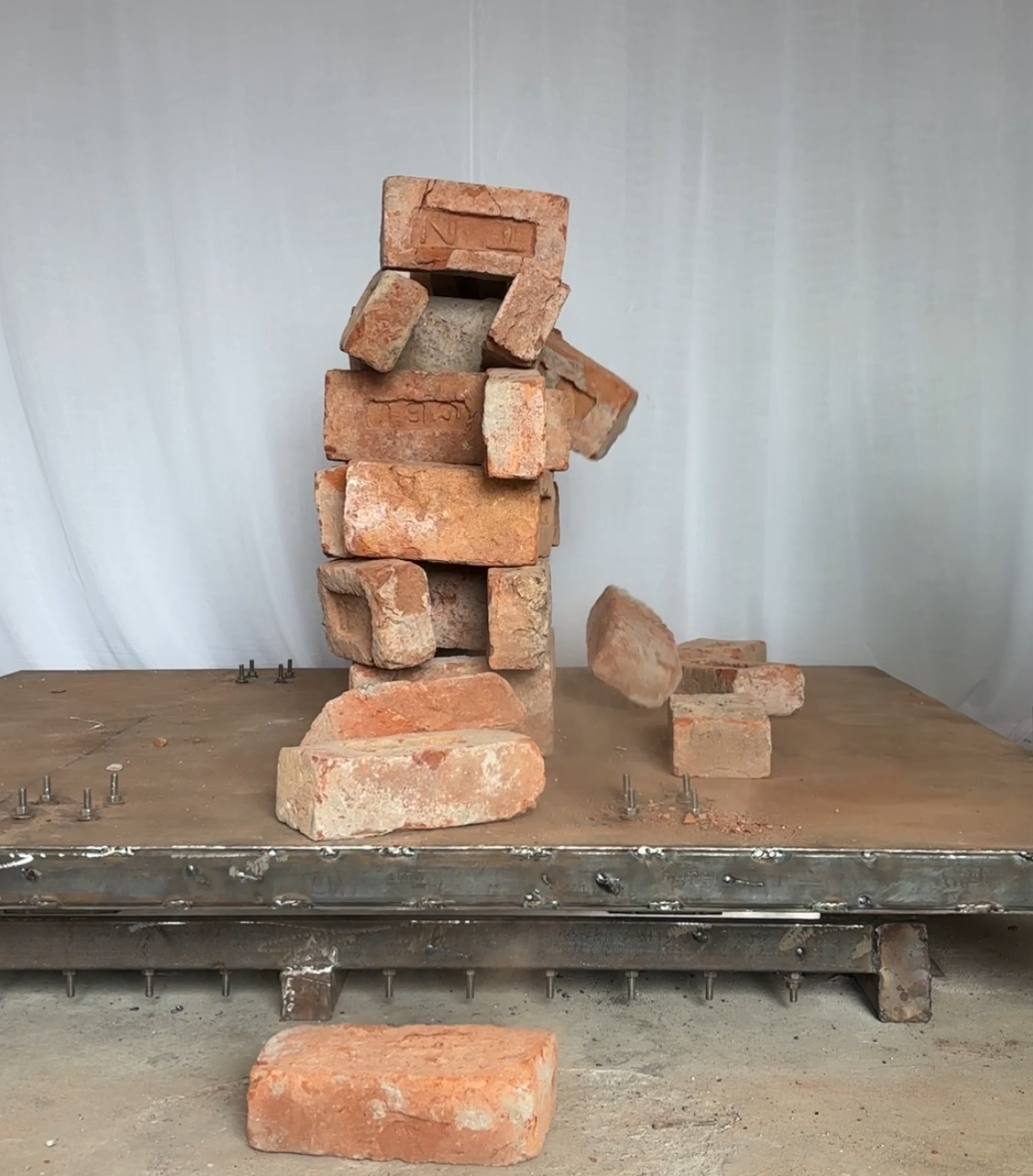
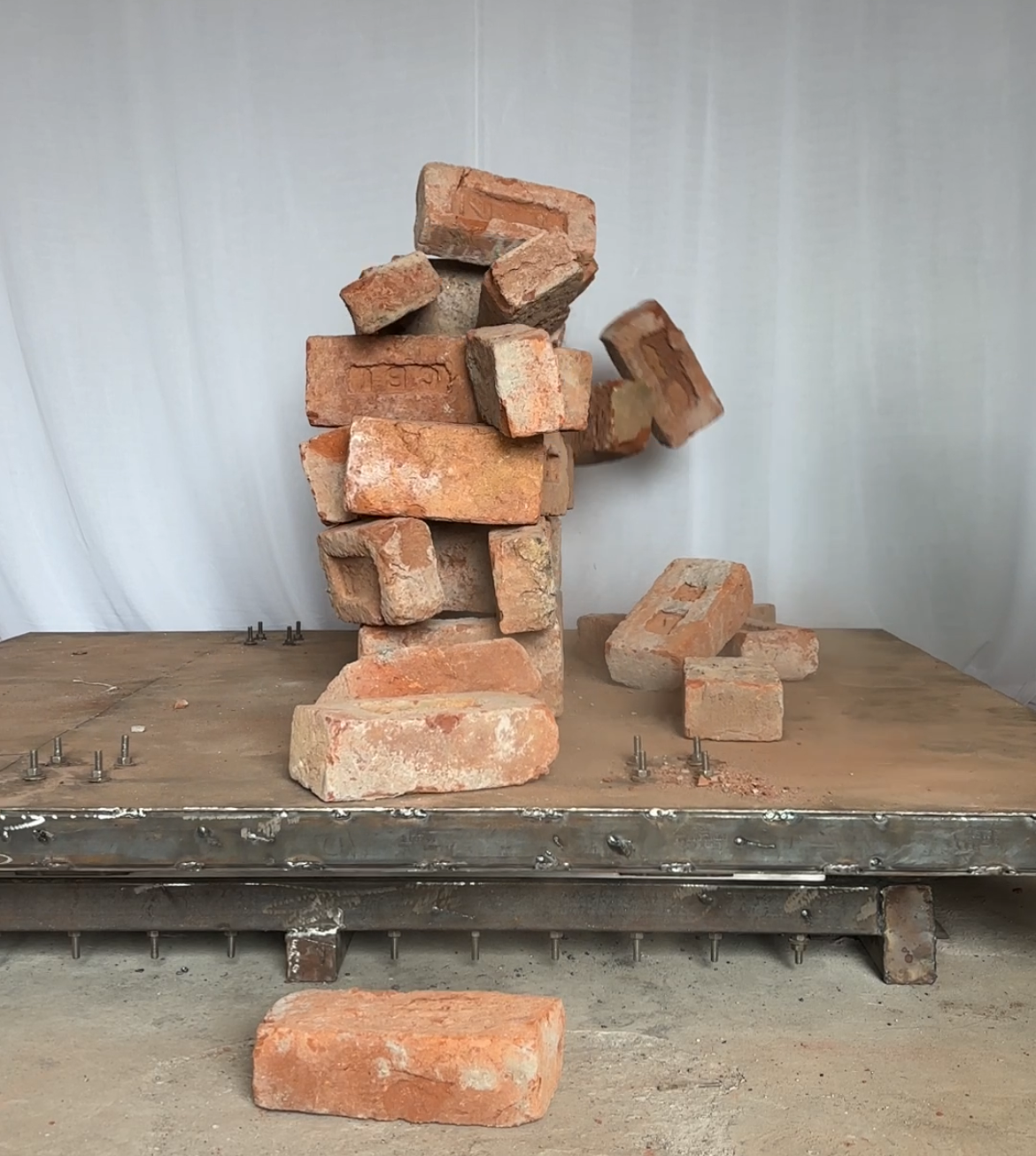
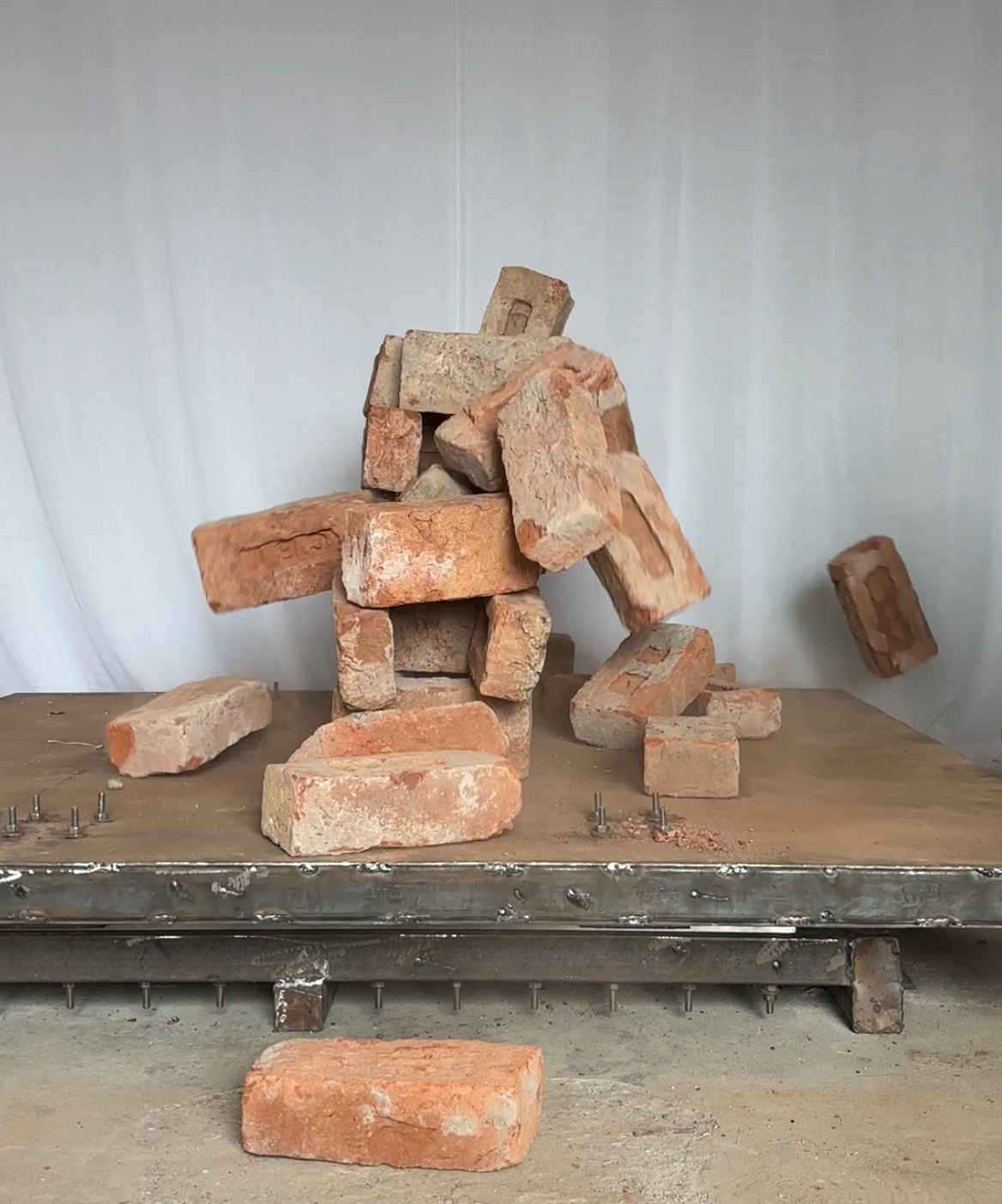
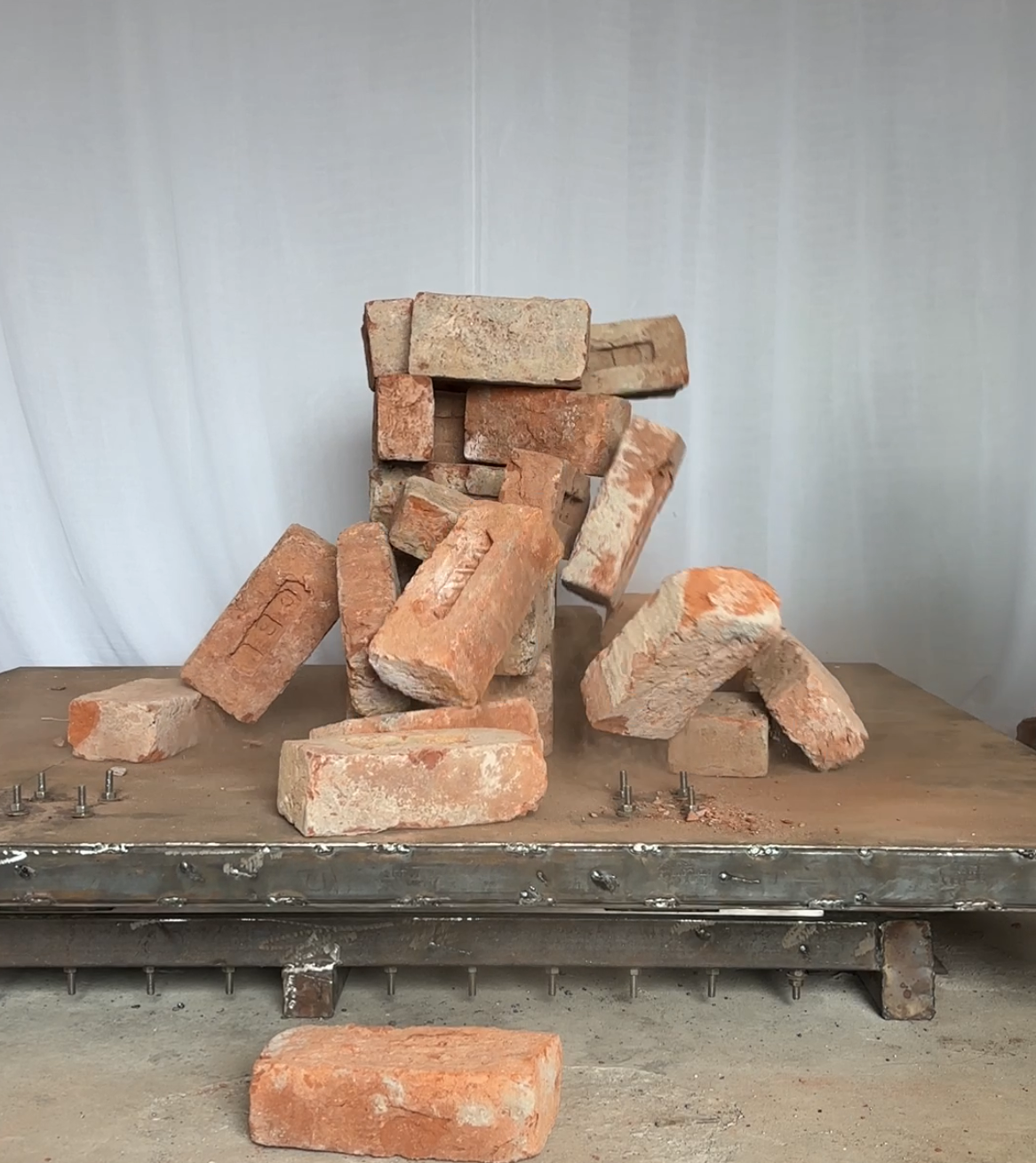
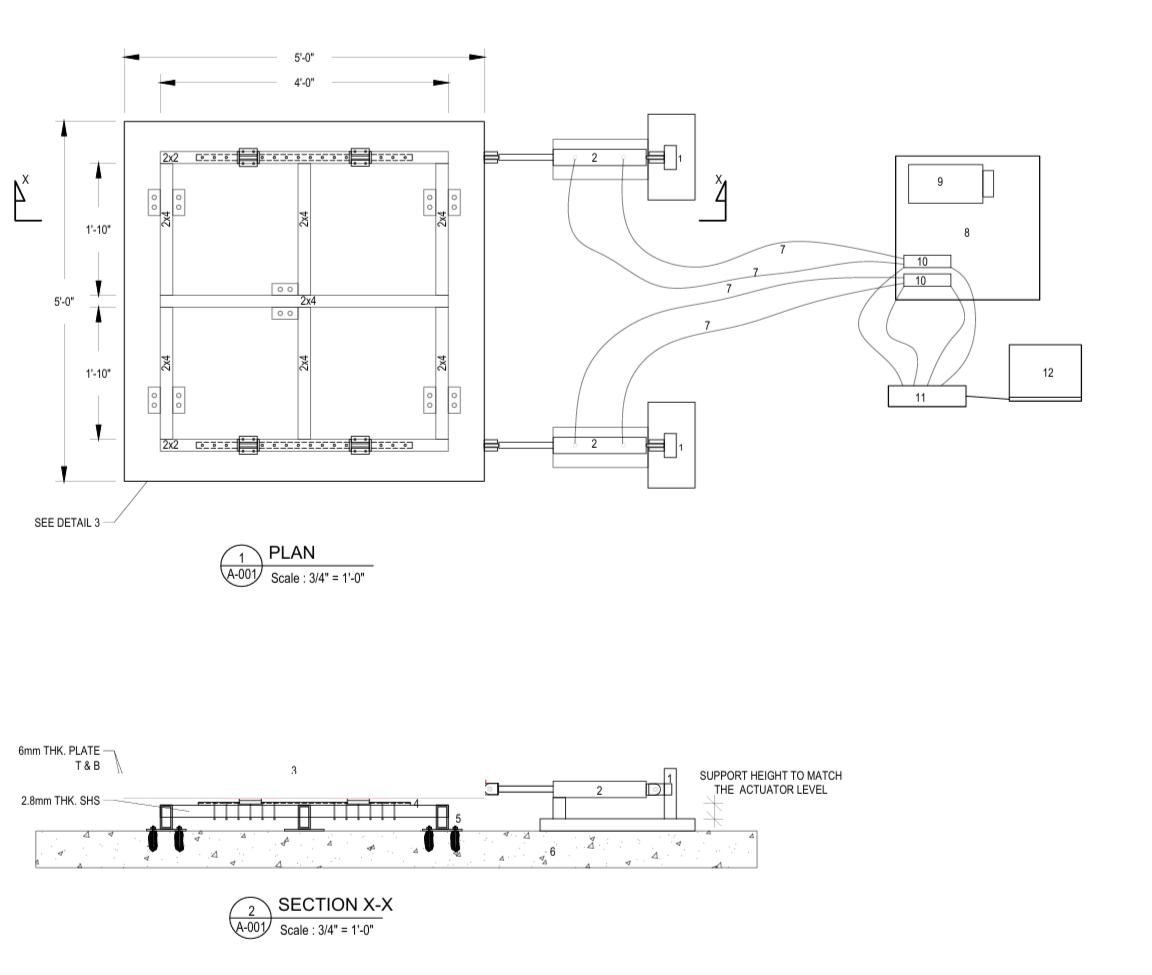
Studio Nyandak's shake table design plans